

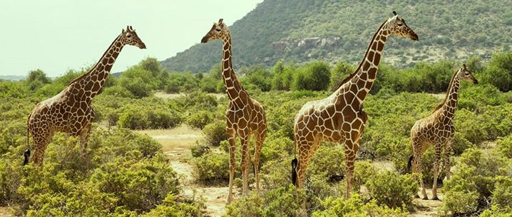
You hear it before you see it.
A low, rolling chorus of wildebeest grunts carries on the wind, mixing with the hush of grass brushing the Land Cruiser doors. Then a lioness lifts her head, amber eyes locked on movement you can’t quite place—until the savannah suddenly shifts, and thousands of animals pour across the plains like a living river.
That moment is why you’re here.
This guide is your best Tanzania safari itinerary 2026—built for travelers who want iconic wildlife, fewer logistical headaches, and a finish so indulgent it feels unreal: barefoot luxury on Zanzibar’s sugar-white beaches after days of dust, dawn drives, and champagne sunsets.
Along the way, you’ll get the best time to go, wildlife and cultural highlights, what to pack, smart travel tips, and a day-by-day route that balances Serengeti and Ngorongoro itinerary essentials with comfort and wow-factor.
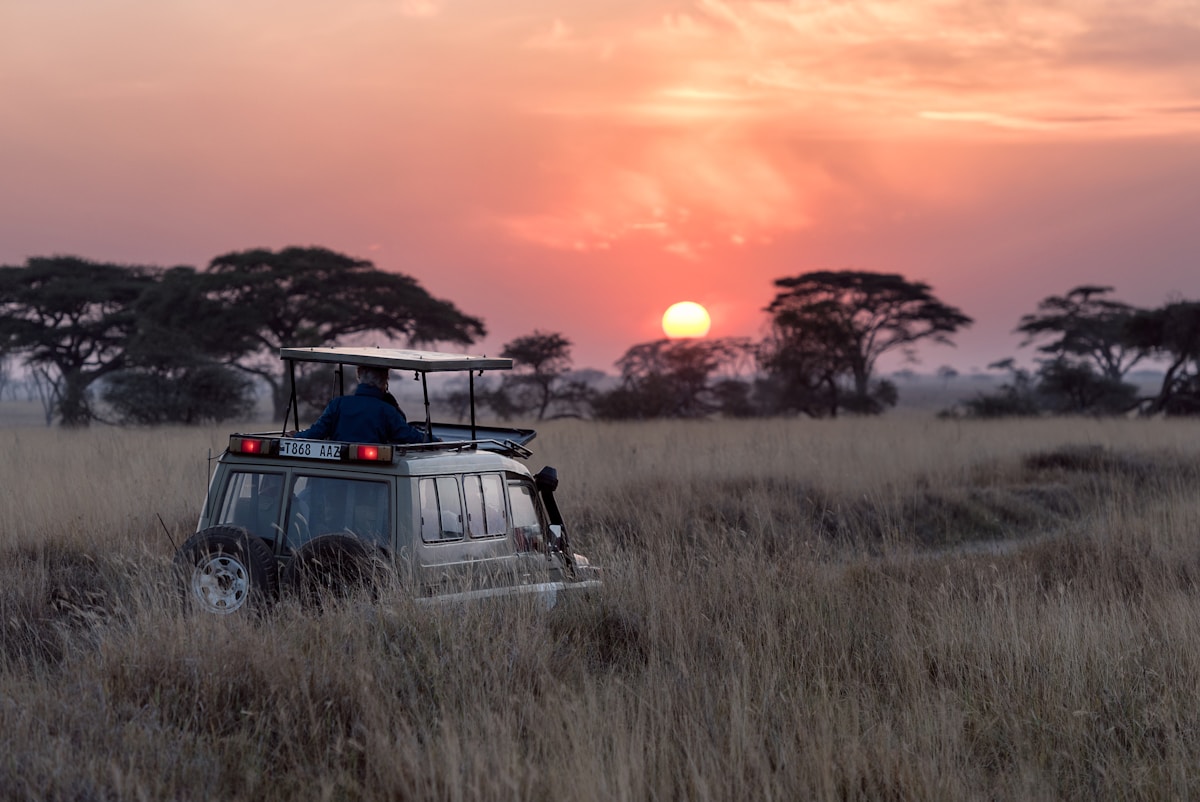
Why Tanzania in 2026?
Tanzania delivers the classic safari “movie scenes”—and it does it at scale.
You get the Serengeti, where the horizon feels endless, and the Ngorongoro Crater, where wildlife concentrates like nowhere else on earth. Add the spice-and-sea magic of Zanzibar, and you’ve got a rare trip that’s both adrenaline and exhale.
Additionally, 2026 is a strong year to plan early for the best rooms, best guides, and best flights—especially if you’re targeting Migration season, festive travel, or private-use villas on the coast.
If you want help tailoring this exact trip to your dates and style, start here: custom Tanzania safari planning.
Best Time to Visit Tanzania (and How to Choose Your Season)
Tanzania is a year-round safari destination, but your best time depends on what you want to feel in your bones: the drama of the Migration, the lush green season, or the crisp clarity of dry-season game viewing.
Dry season (June–October): peak wildlife viewing
This is the classic window for big cats, river crossings (in certain months), and easy wildlife spotting.
- Best for: first-time safari travelers, photographers, families, Migration chasers
- Expect: cooler nights, dusty roads, higher demand
For official seasonal guidance and park updates, cross-check with the Tanzania Tourism Board: https://tanzaniatourism.go.tz
Green season (November–March): lush landscapes + newborns
The parks turn emerald. Light gets cinematic. Baby animals wobble into the world.
- Best for: photographers, return safari travelers, value seekers
- Expect: short rains (usually brief), fewer crowds, greener scenery
Shoulder months (April–May): rain + deals (with tradeoffs)
This can be excellent for savings and solitude, but some camps close and roads can get challenging.
- Best for: flexible travelers who prioritize privacy and value
- Expect: heavier rains, occasional reroutes, fewer flight options into remote areas
Wildlife Highlights You’ll Actually Remember Years Later
Tanzania’s wildlife isn’t only about “checking the Big Five.” It’s about the moments between the checklist.
Serengeti: the theatre of predators
In the Serengeti, lions don’t feel rare—they feel inevitable.
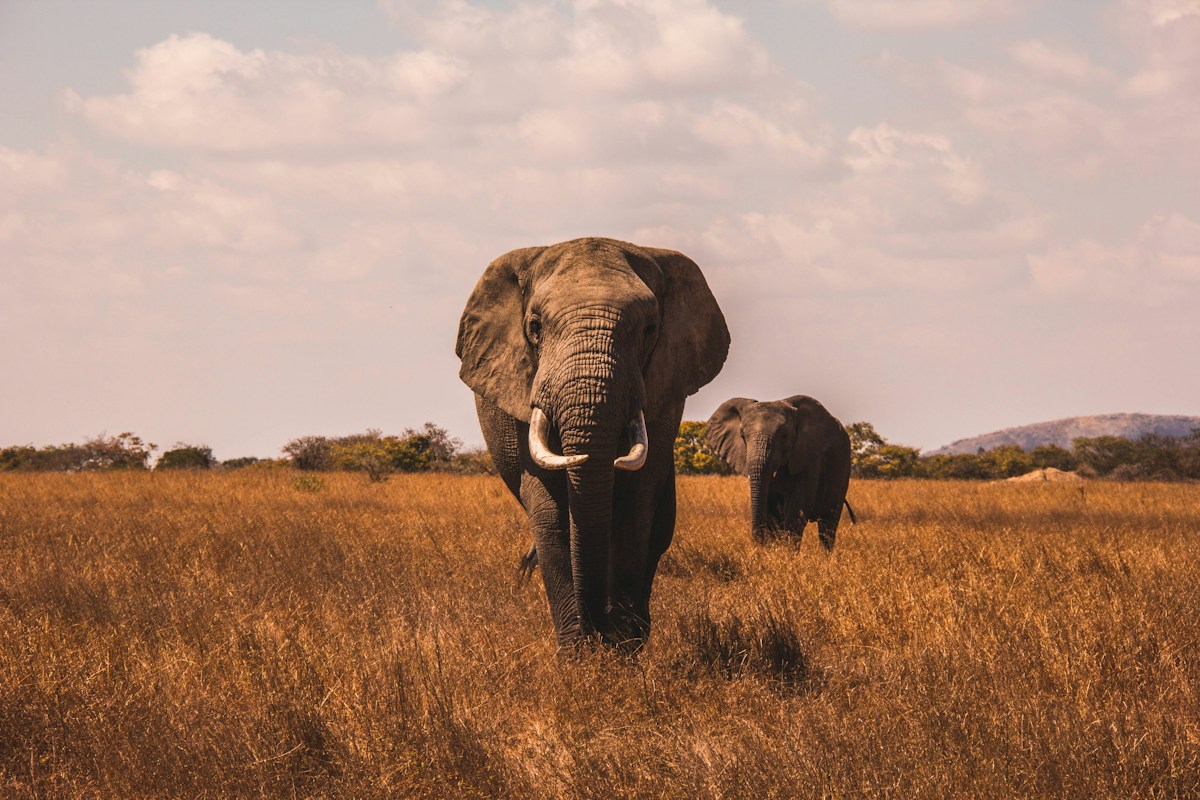
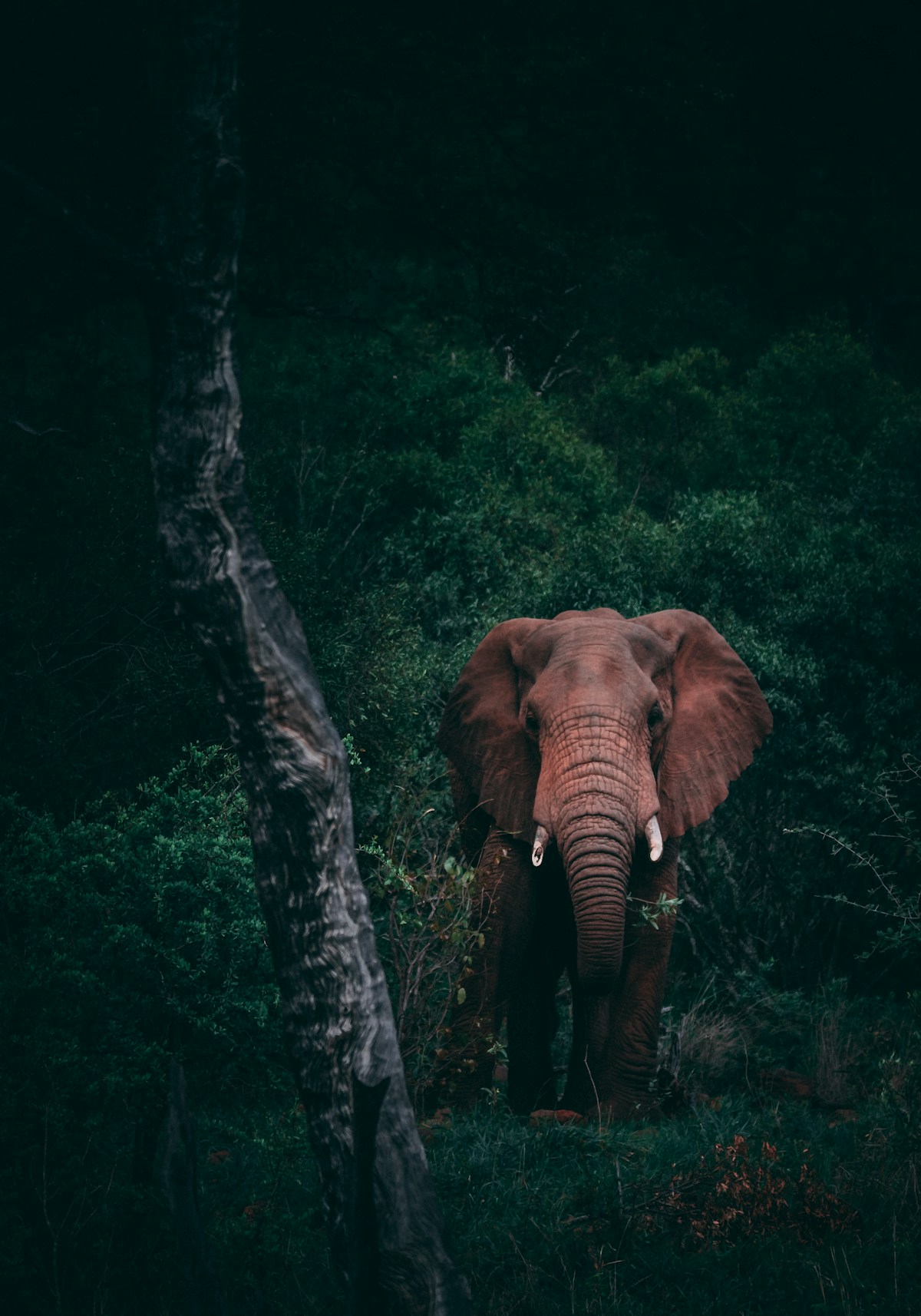
You’ll watch cheetahs scan the grass like runners at the starting line. You’ll see hyenas arrive with that strange, laughing confidence. Meanwhile, elephants move through dust like ancient ships.
If your goal is a Great Migration safari Tanzania 2026, the Serengeti is the main stage. However, where you stay matters: the Migration shifts through regions, and the right camp in the right month can turn “we hope” into “we woke up to it.”
Ngorongoro Crater: wildlife density on another level
Dropping into the Crater feels like entering a natural arena.
Because animals don’t migrate out as much, sightings are often fast-paced: rhino possibilities, lion prides, buffalo herds, and huge tuskers framed by crater walls.
Tarangire: elephants, baobabs, and golden light
Tarangire is often the surprise favorite.
It’s less famous than Serengeti, yet it can feel more intimate—elephant families at close range, baobab silhouettes at sunset, and leopards draped in branches if you’re lucky.
For safari comparisons and reviews, it’s worth browsing: https://www.safaribookings.com
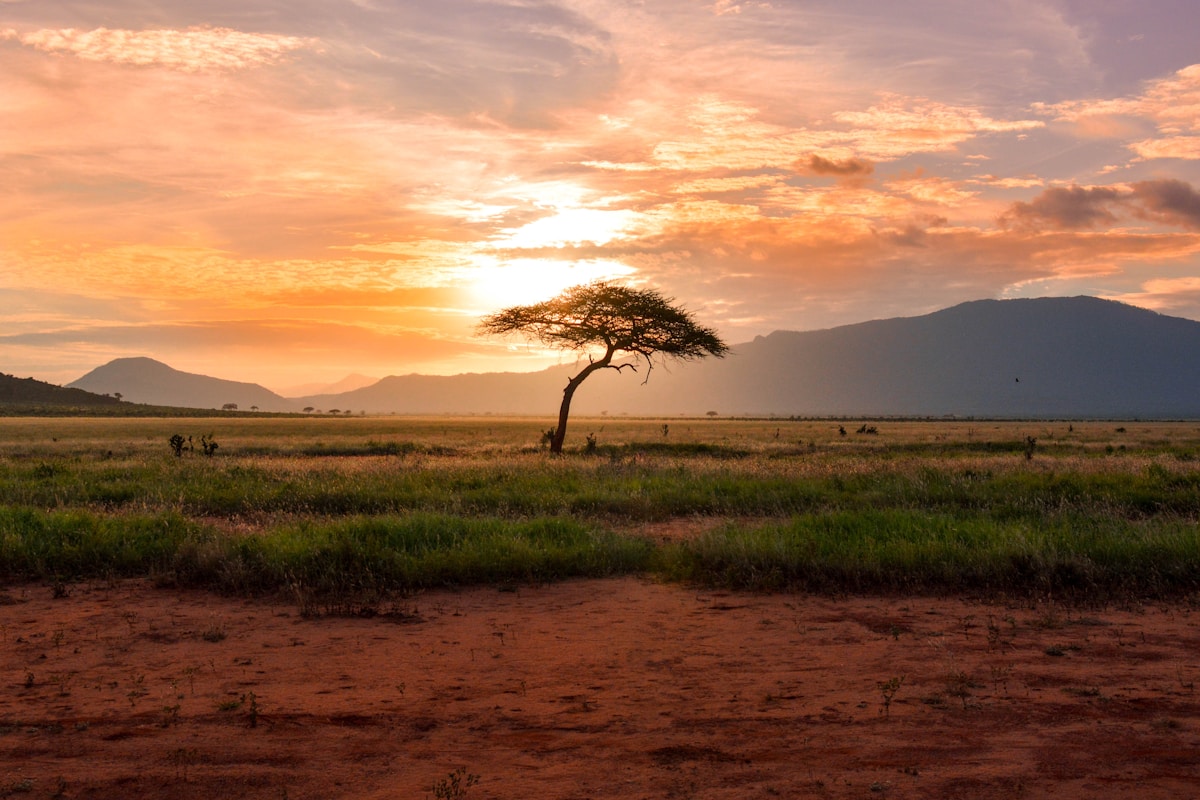
Cultural Experiences That Make the Safari Deeper
Wildlife is the headline. Culture is the story that stays with you.
Visit a Maasai community (done respectfully)
A well-arranged visit isn’t a “show.” It’s a conversation.
You’ll learn how cattle shape identity, how beadwork carries meaning, and how modern life intersects with tradition. Ask questions. Listen more than you talk.
If cultural immersion matters to you, consider building it into your route with a private guide. Here’s a starting point: private guided Tanzania safaris.
Mto wa Mbu: a vibrant village stop near Manyara
This is a sensory detour—banana beer tastings, woodcarvers, local lunch, and street-level life that’s a world away from lodge dining.
Zanzibar: spice heritage + Swahili coastline
Stone Town is a labyrinth of carved doors, sea air, and stories.
You’ll feel Arabic, Persian, Indian, and African influences layered into one place—then step outside and hear the ocean calling you back to the beach.
For national-level travel info and heritage highlights, explore: https://tanzaniatourism.go.tz
The Ultimate Bush-and-Beach Combo (Safari + Zanzibar)
A Tanzania safari and Zanzibar itinerary works because the contrast is perfect.
First, you wake at 5:30 a.m. to chase lion tracks in cool air that smells like wild sage.
Then, you trade boots for sandals. Salt replaces dust. Your hardest decision becomes whether to snorkel first or nap first.
If you want the smoothest logistics, choose an itinerary that ends in the Serengeti with a flight connection—then hop straight to Zanzibar without backtracking.
Explore options: Serengeti to Zanzibar safari packages.
Suggested 12-Day Itinerary (Safari + Zanzibar)
This is a proven route for the best Tanzania safari itinerary 2026: it maximizes wildlife time, minimizes long drives, and ends with a real beach payoff.
Day 1: Arrive in Arusha
Land at Kilimanjaro International Airport (JRO). You’ll feel the altitude in the air—cooler than you expect.
Check into a boutique lodge, enjoy a slow dinner, and let your body reset.
Day 2: Arusha → Tarangire National Park
Drive to Tarangire.
By afternoon, you’re already in elephant country. The park’s baobabs look like they were planted by giants. If the light is right, the whole landscape turns honey-gold.
Sleep: luxury tented camp or lodge near Tarangire.
Day 3: Tarangire game drives
Start early.
You’ll follow river lines where animals gather. Additionally, your guide will read the day like a map: bird alarm calls, fresh tracks, distant dust plumes.
Optional sundowners are worth it—especially with a private vehicle.
Day 4: Tarangire → Manyara / Mto wa Mbu cultural stop
Take a slower morning, then transition toward Lake Manyara area.
Stop in Mto wa Mbu for a guided village visit and local lunch. It’s lively, real, and grounding.
Note: If you prefer more safari time, you can swap this for a Lake Manyara game drive.
Day 5: Ngorongoro Crater (full day)
This is a big day—and it delivers.
Descend into the Crater early for the best light and fewer vehicles. You may see lion prides moving with purpose, hippos stacked in pools, and—if luck is on your side—black rhino at distance.
Pro tip: Bring a warm layer. The rim can be chilly at dawn.
Day 6: Ngorongoro → Serengeti (Central)
The landscape opens up as you drive into the Serengeti.
You’ll feel it: the space, the silence, the sense that anything can happen. An afternoon game drive begins immediately.
Sleep: central Serengeti lodge or tented camp.
Day 7: Serengeti (full day safari)
This is where you lean into the rhythm.
Early drive, brunch, midday rest, then late drive. Consequently, you’ll hit the peak windows when predators move.
Optional: add a hot air balloon safari for a sunrise that doesn’t feel like real life.
Day 8: Serengeti (Migration focus / flexible)
Your guide adjusts based on wildlife movement.
If you’re aiming for a Great Migration safari Tanzania 2026, this is the day to go long and follow the herds—north, west, or wherever the action is.
Day 9: Fly Serengeti → Zanzibar
Trade savannah for sea.
You land in Zanzibar and the air changes instantly—warm, salty, soft. Check into a beach resort and let your shoulders drop.
Day 10: Zanzibar (Stone Town + spice tour)
Explore Stone Town with a guide.
Then do a spice tour that actually teaches you something—cloves, vanilla, cinnamon—and ends with tropical fruit so fresh it tastes electric.
Day 11: Zanzibar (snorkeling / dhow cruise)
Choose your pace.
Snorkel coral reefs, take a traditional dhow at sunset, or book a private dinner on the beach.
Day 12: Depart Zanzibar
Breakfast with an ocean view.
Then transfer to the airport for your flight home—camera full, mind still replaying lion silhouettes in the dust.
Want this itinerary upgraded with private flights, exclusive-use villas, or ultra-luxury camps? Start here: luxury Tanzania safari 2026 ideas.
Travel Tips for a Smooth, High-End Tanzania Trip
1) Book key elements early (especially for 2026)
Top camps and the best family suites go first.
Additionally, migration-timed properties can sell out far ahead—so commit once you have your preferred month.
2) Choose the right safari style: private vs shared
A private vehicle costs more, but it changes everything.
You control stops, pacing, photography angles, and coffee breaks. Consequently, the whole safari feels tailored, not scheduled.
3) Consider flying between parks
Driving can be scenic, but flight hops buy back time.
If you want maximum comfort, the fly-in option is often the most “luxury” decision you can make.
4) Know park etiquette (it matters)
- Don’t shout or stand up suddenly when near animals.
- Don’t pressure your guide to crowd predators.
- Stay patient: great sightings reward stillness.
5) Add travel insurance and check entry requirements
Requirements can change. Always verify visa rules and health guidance close to departure.
For broader East Africa planning inspiration (and to compare regions), these official resources are useful:
- Kenya: https://magicalkenya.com
- Uganda: https://visituganda.com
- Rwanda: https://rwanda.rw
Tanzania Safari Packing List (What You’ll Be Glad You Brought)
This Tanzania safari packing list is optimized for comfort, photos, and practicality.
Safari clothing (keep it simple)
- 2–3 neutral tops (breathable, long-sleeve helps with sun)
- 2 safari trousers + 1 lightweight jacket
- Warm layer for early mornings (fleece or packable down)
- Wide-brim hat + sunglasses
- Comfortable closed shoes (dust is real)
Gear and essentials
- Binoculars (even if your guide has a pair)
- Camera + extra batteries + memory cards
- Small daypack
- Refillable water bottle
- High-SPF sunscreen + after-sun lotion
- Insect repellent (especially near Zanzibar evenings)
Beach add-ons for Zanzibar
- Reef-safe sunscreen
- Light sandals
- Swimwear + rash guard for snorkeling
- A nicer outfit for resort dinners
Insider Stories: What Guides Notice (That Most Travelers Miss)
One evening in the Serengeti, a veteran guide stopped the vehicle and cut the engine.
At first, it felt like nothing was happening.
Then the soundscape sharpened: a francolin’s staccato call, the whisper of grass, distant hyenas warming up their “laugh.” The guide pointed to a line of impala staring in perfect stillness.
“Something’s moving,” he said quietly.
You could almost feel the predator before you saw it.
A lioness materialized from the grass like a shadow that decided to become real—low, calm, patient. No drama. No rush. Just pure, efficient focus.
That’s the Serengeti.
It’s not only the sightings. It’s learning to read the subtle language of the bush—because your guide isn’t just driving. He’s translating an ecosystem.
If you want that level of guiding, ask about top-tier guide assignments here: expert safari guides in Tanzania.
FAQs: Quick Planning Answers for 2026
How many days do you need for Tanzania?
For a first trip, 10–14 days is ideal—especially if you’re doing the full Serengeti and Ngorongoro itinerary plus Zanzibar.
Is Zanzibar worth adding?
Yes—particularly if you want a honeymoon feel, a luxury decompression, or a celebratory finish. Additionally, it turns your safari into a complete “once-in-a-lifetime” journey.
What’s the best area for the Great Migration?
It depends on the month.
That’s why choosing camps based on seasonal movement matters more than picking a single “best” region.

Final Thoughts: Your 2026 Tanzania Story Starts With One Decision
There are trips that are fun.
Then there are trips that change the way you remember the world.
The best Tanzania safari itinerary 2026 is the one that fits your travel style—private or social, ultra-luxury or adventure-forward, Migration-focused or Big Five-balanced—while keeping the route elegant and the pacing human.
When you’re ready, build your ideal safari-and-beach journey with a specialist team at Gentleman Tours:
- Tanzania safari planning
- Serengeti to Zanzibar packages
- Luxury Tanzania safari ideas
- Private guided safaris
Made with Replit

